


Academic Master Plan:
Assessing Our Impact
Designing the Plan

Since 2022, the Rutgers–New Brunswick Academic Master Plan has served as a roadmap for institutional progress, outlining a vision for a modern public university that prepares students to address society’s most pressing challenges and lead in a rapidly changing world.
Developed through months of collaboration and designed to focus the university’s efforts, the Academic Master Plan has laid the foundation for progress across Rutgers–New Brunswick. Through its guiding principles, the university has strengthened its commitment to academic excellence, inclusive research, and service to the common good.

Grounded in four core pillars, Scholarly Leadership, Innovative Research, Student Success, and Community Engagement, the Academic Master Plan shapes how Rutgers–New Brunswick teaches, researches, and serves. It has also reinforces the role of a public university in advancing knowledge, expanding opportunity, and improving lives on campus and beyond.
Across the university, faculty, students, staff, and alumni are putting institutional priorities into action through discovery, teaching, service, and community engagement. Together, they are helping move Rutgers–New Brunswick forward with purpose and momentum.
Timeline
July - September 2021
- Engaged campus academic leaders in a universitywide effort to evaluate academic strengths, identify emerging opportunities for growth and improvement, and outline strategies for advancing institutional goals.
August - November 2021
- Conducted extensive qualitative and quantitative research to better understand institutional strengths and areas of opportunity. Surveys distributed to faculty, staff, and students generated nearly 4,000 responses from across the Rutgers–New Brunswick community.
November 2021 - January 2022
- Established academic priorities and proposed programs designed to advance excellence, student experience, innovative research, inclusive pedagogy, and public service.
April 2022
- Published the Academic Master Plan and began implementation across Rutgers–New Brunswick.
September 2025 - May 2026
- Convened the Academic Master Plan Implementation Committee, comprised of representatives from academic and administrative units across Rutgers–New Brunswick, to assess progress toward the AMP goals and priorities.
- In collaboration with the committee, developed and distributed a structured electronic survey to committee members to collect information on activities advancing the AMP.
Learn More About Our Implementation
These coordinated efforts laid the foundation for translating institutional priorities into sustained, aligned action. By strengthening collaboration, investing in people and ideas, and enhancing the student and research ecosystem, Rutgers–New Brunswick established the conditions necessary for meaningful progress. The results of these efforts are reflected in the outcomes and impacts that follow.
Laying the Foundation

University leadership launched a series of strategic initiatives, task forces, and institutional reforms designed to strengthen coordination and improve systems to support growth across the plan’s four pillars. These efforts created the administrative anchors that now underpin many of Rutgers–New Brunswick’s most significant institutional measures and areas of growth.
Scholarly Leadership
Accordion Content
-
The Chancellor Challenge emerged to advance high-priority areas of excellence and impact, including climate change, data science and cyber infrastructure, behavioral health and equity, and seed funding for emerging ideas. Through periodic campus-wide calls for proposals, Rutgers–New Brunswick is investing $15 million in transformational, interdisciplinary projects that align with the university’s Academic Master Plan.
Impact Highlights: Since its launch in 2022, the Chancellor Challenge has catalyzed innovation and produced impactful outcomes, including support for initiatives such as the Rutgers Climate and Energy Institute (RCEI) and its Wind Energy Test (W.E.T.) Center Project, the Cluster on Data Science and Artificial Intelligence (CDSAI), and the RU Engaged Service-Learning Byrne Seminars with Integrated Alternative Spring Breaks
-
The Task Force for the Institute for Teaching, Learning, and Inclusive Pedagogy was convened in Fall 2022 to identify ways to strengthen support for effective and inclusive teaching at Rutgers–New Brunswick. The task force developed a final report, leading to the creation of the Institute for Teaching, Innovation, and Inclusive Pedagogy (TIIP). TIIP serves as a hub for instructors by providing programs, services, and resources that support innovative and inclusive pedagogy.
Impact Highlights: Since its launch, the Institute for Teaching, Innovation, and Inclusive Pedagogy has expanded opportunities for instructor development and collaboration through initiatives such as the Student Pedagogical Partner Fellowship, the Course Design Institute, and teaching communities and networks, helping to strengthen teaching and learning across the Rutgers–New Brunswick community.
-
Established in Fall 2023, the Center for Faculty Success supports faculty across the full span of their careers with opportunities for development, advancement, leadership, and recognition.
Impact Highlights: Since its launch, it has promoted faculty success, leadership, and excellence through a variety of inclusive professional development support and works in conjunction with campus, university, and external partners to support the growth and development of faculty. The Center for Faculty Success’ signature programs include the Lecturer Welcome and Orientation, Department Leaders Program series, Pathways to New Faculty Success, Provost Leadership Fellows for Faculty Advancement, and the Faculty Excellence Awards.
-
The inaugural Associate Vice Chancellor for Data Strategy role was established in the Chancellor's Office in 2025. The Associate Vice Chancellor for Data Strategy enhances data-informed decision-making efforts, provides strategic vision for future initiatives, serves as the principal liaison and point of contact between the Central data offices and Rutgers–New Brunswick, and gathers and coordinates emerging data needs from the schools and units.
Innovative Research
Accordion Content
-
The Chancellor Signature Initiatives reflect a coordinated effort to advance interdisciplinary research and deepen collaboration across the university and with external partners. Together, they connect faculty, students, and collaborators around shared strengths and enhance Rutgers–New Brunswick’s capacity to address complex societal challenges.
- Life Sciences Alliance: The Life Sciences Alliance supports interdisciplinary “grand challenge” research teams, large-scale grant development, expanded research training opportunities, and stronger partnerships with industry, government, and external research organizations. The alliance also supports growth in shared research infrastructure, including Platforms for Education and Research Cores (PERCs), designed to expand access to advanced scientific research resources and strengthen interdisciplinary collaboration across the university’s broader life sciences ecosystem.
- Rutgers Climate and Energy Institute (RCEI): RCEI brings together scholars from science, policy, engineering, and the arts to foster collaborative solutions for a sustainable future. Through interdisciplinary grants, student fellowships, and cross-sector partnerships, RCEI is expanding Rutgers–New Brunswick’s capacity for climate-focused research.
- Rutgers Artificial Intelligence and Data Science Collaboratory (RAD Collaboratory): The RAD Collaboratory is helping position Rutgers–New Brunswick as a leading interdisciplinary center for AI and data science research. Its work supports emerging initiatives in areas such as AI for society, quantitative biomedicine, and large-scale computational research, while strengthening collaboration across the university’s broader AI ecosystem.
- Behavioral Health and Equity Task Force: The Behavioral Health and Equity Task Force is leveraging our existing strengths and fostering growth in emerging areas of behavioral health and equity, with the goal of advancing discovery, innovation, partnerships, interdisciplinary research, and access to research at Rutgers and beyond.
Student Success
Accordion Content
-

In Fall 2022, the ScarletWell Task Force was convened to assess Rutgers–New Brunswick’s wellness initiatives and identify opportunities for stronger coordination and support. The Task Force’s final report informed the establishment of ScarletWell and the appointment of a Chief Wellness Officer and Director of ScarletWell.
Impact Highlights: ScarletWell provides programs, resources, and initiatives that support the wellness of the Rutgers–New Brunswick community. Since its launch, ScarletWell has helped to foster a vibrant community for all, facilitate a sense of connection and belonging, and ensure that Rutgers serves as a national model for an educational and work environment that prioritizes mental health and wellness.
-
The Working Group to Enhance Experiential Learning for Undergraduate Students at Rutgers–New Brunswick was convened in Fall 2021 as part of the Academic Master Plan planning process. The group’s final report provided recommendations that led to the creation of the role of Vice Provost for Experiential Learning (VPEL). The Vice Provost for Experiential Learning collaborates with universitywide partners to develop, expand, and broaden participation in experiential learning initiatives.
Impact Highlights: The Vice Provost for Experiential Learning has advanced a more coordinated institutional approach to experiential learning, helping to broaden opportunities for students while improving the university’s ability to measure and enhance the impact of these experiences on student success.
-
The Committee on Transfer Policies and Practices was convened in Fall 2022 as part of Rutgers–New Brunswick’s efforts to better meet the evolving needs of its transfer student population. The committee’s final report outlined recommendations and strategies to improve transfer persistence, retention, graduation, and students’ connection to the Rutgers community.
Impact Highlights: In Fall 2024, the Dual Admission program, a partnership between Rutgers–New Brunswick and Middlesex College, was developed. Through this program, students begin at Middlesex College and, upon successful completion of their associate’s degree, are guaranteed admission to Rutgers–New Brunswick, creating a clearer and more supportive pathway to a Rutgers degree.
-
The Honors Integration Committee was convened in Spring 2024 to develop recommendations for integrating the Honors College and school-based honors programs into a unified honors experience. Bringing together the Honors College, the Engineering Honors Academy, and honors programs in the School of Arts and Sciences and the School of Environmental and Biological Sciences creates a more cohesive and enriching experience for high-achieving students while preserving the legacy and strengths of each program.
Impact Highlights: Launched in Summer 2025, the new Honors College represents a significant step toward strengthening collaboration across honors communities and expanding opportunities for academic engagement, leadership, and student success.
-
Discovery Advantage emerged from the coordinated work of Rutgers–New Brunswick task forces and working groups. The Discovery Advantage Steering Committee, convened in Fall 2022, was comprised of nearly 200 Rutgers–New Brunswick faculty, staff, and students. The committee's 2024 final report outlines a comprehensive set of recommendations to transform the undergraduate student experience and strengthen outcomes from entry through graduation.
Impact Highlights: Through aligned investments in academic support, mentoring, well-being, belonging, career preparedness, experiential learning, and integrated student success systems, Rutgers–New Brunswick is building a more unified and responsive student support ecosystem that continues to evolve to meet student needs.
-
A Student Success Dashboards Working Group was formed to implement recommendations from the Discovery Advantage Steering Committee’s report, including the development of data dashboards that identify actionable opportunities to support student progress and success.
Impact Highlights: Since its creation, the group has developed a suite of retention and graduation dashboards, expanded the university’s approach to retention analysis by tracking student progress semester by semester, and is building real-time dashboards that will help measure and strengthen efforts to improve student outcomes.
-
A campus-wide effort was launched during the 2025–26 academic year to onboard all advising offices from admitting schools onto a single academic advising platform, Navigate360.
Impact Highlights: Since the launch of the campus-wide initiative, all advising offices from admitting schools have been integrated into the platform, and significant system enhancements have expanded reporting capabilities, laying the foundation for a broader student success ecosystem that will provide a comprehensive, 360-degree view of students across advising and support units.
Community Engagement
Accordion Content
-
The RCommunity engagement portal, hosted on the GivePulse platform, was launched in 2024 to provide Rutgers–New Brunswick students, faculty, and staff with a centralized platform to find, organize, and promote engagement on- and off-campus.
Impact Highlights: Since its implementation, RCommunity has strengthened the university’s ability to capture and showcase the breadth of its community engagement impact.
-
The Publicly- and Community-Engaged Scholarship and Research Task Force was convened in Spring 2023 to clarify and strengthen our collective understanding of publicly/community-engaged scholarship and to provide recommendations on how to document publicly-engaged activities in tenure and promotion packets.
Impact Highlights: The task force’s final report provided a framework for defining and assessing publicly-engaged scholarship, outlined recommendations for tenure and promotion review practices, and emphasized the importance of community-engaged research as part of Rutgers’ mission and Academic Master Plan. University tenure and promotion review practices now include guidelines for evaluating publicly- and community-engaged scholarship.
Goal
Elevate the scholarly leadership of intellectual communities that support the diverse populations within Rutgers, New Jersey, the nation, and the world.
Our Approach
Guided by the Academic Master Plan, Rutgers–New Brunswick is:
- Building Scholarly Communities: At Rutgers–New Brunswick, we’re addressing global challenges by creating communities of expertise that foster high-impact collaborations across academic units and community partners.
- Supporting Faculty Excellence and Visibility: Our faculty is the heart of our academic distinction. We are investing in their success as scholars, educators, and innovators, creating an ecosystem where teaching, discovery, and leadership intersect, to the benefit of all.
- Expanding Academic Innovation and Pathways: Rutgers–New Brunswick is making foundational investments in instructional infrastructure and expanding academic pathways to strengthen Rutgers–New Brunswick’s capacity for academic innovation and inclusive teaching.
Impact Highlights
Building Scholarly Communities
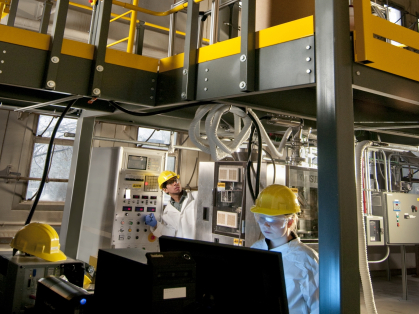
Rutgers–New Brunswick has expanded translational and industry-connected research through initiatives such as the School of Engineering’s Center for Structured Organic Particulate Systems (C-SOPS), a collaborative research and workforce development initiative focused on advancing pharmaceutical manufacturing and process innovation. Bringing together faculty researchers, industry partners, and students across engineering, pharmaceutical science, and related fields, the initiative supports research addressing drug manufacturing, supply chain resilience, and emerging production technologies while strengthening New Jersey’s broader life sciences and pharmaceutical ecosystem.
Faculty Excellence and Visibility
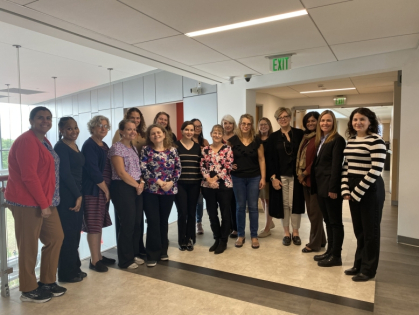
The Rutgers Network of Women Faculty in Engineering (RU NEWFACE) is a faculty-led initiative that supports professional growth, leadership development, and community among women faculty in the School of Engineering. Funded through a Rutgers Mutual Mentoring Grant, the program includes collaborative mentoring, leadership roundtables, and guest speaker luncheons featuring senior leaders in engineering and academia.
Academic Innovation and Pathways

At the School of Arts and Sciences, a strategic curriculum development program provides incentives and structured support for faculty and instructors developing or redesigning online courses, with particular attention to courses that support diverse learners.
Since its launch in 2022, the program has supported the design or redesign of 20 online courses across the humanities, social sciences, life sciences, and mathematical and physical sciences, reaching more than 3,680 students.
Learn more about the Strategic Curriculum Development Program
More Impacts
To explore additional impacts within the Scholarly Leadership pillar, review the highlights below or browse the full list of submissions (NetID required).
Accordion Content
-
ScarletWell, an initiative based on public health and prevention-focused approaches to mental health and wellness, was created for students, faculty, and staff. A Holistic Wellness Minor, the first of its kind in the country, integrates wellness principles into any career path and reinforces wellness as a transferable competency.
-
The Rutgers Offshore Wind Energy Collaborative was created to build expertise around offshore wind energy research and learning across the Rutgers University community. Members have a diverse range of expertise, including marine sciences, economics and policy, and materials and engineering.
-
The Arts in Health Initiative is a collaboration between Mason Gross School of the Arts, Rutgers Health, and the New Jersey Performing Arts Center, which connects scholarship in the arts, health, and community well-being. The Arts in Health Research Lab conducts research and nurtures pedagogy and programming that explores the ways in which the arts contribute to measurable improvements in physical, social, and mental well-being.
-
Rutgers Business School organized 17 national conferences in 2025 alone, attracting more than 2,300 scholarly and executive participants from around the world. Its flagship Innovations in Undergraduate and Graduate Business Education (IUGBE) conference convened deans from institutions including the University of California, Berkeley; Northwestern University; the University of Pennsylvania; and Cornell University to explore the future of business education.
-
In collaboration with the School of Public Health, the Graduate School of Applied and Professional Psychology developed a 12-credit online certificate program in Suicide Prevention, Practice, and Policy. The interdisciplinary program integrates clinical, organizational, workplace, public health, and policy approaches to suicide prevention and is taught by leading scholars in the field.
Students examine the economic, political, commercial, and social factors that shape suicide risk while preparing to support prevention efforts across health care, education, criminal justice, organizational settings, and media.
-
Through the recently established Graduate Certificate on Workers' Rights, students learn about their own rights and the rights of other working people, including how rights have been expanded historically. They discuss how efforts to reduce rights today might be countered, or how to expand existing rights to more groups of employees. The program focuses on workers' rights in the U.S., while allowing opportunities to learn from international perspectives to inform change.
Goal
Strengthen Rutgers–New Brunswick’s capacity to solve grand challenges in our community, state, country, and the world to reflect our commitment to the public good.
Our Approach
Guided by the Academic Master Plan, Rutgers–New Brunswick is:
- Investing in key research domains to strengthen the university’s ability to attract external funding, expand research partnerships, and compete in strategically important areas of scholarship and innovation. Research domains include:
- Artificial Intelligence and Data Science
- Climate and Sustainability Research
- Life Sciences, Health, and Translational Research
- Preparing the Researcher of Tomorrow: Rutgers–New Brunswick is also redefining how students engage in the research process. Undergraduate and graduate students are not just learners but active contributors, gaining hands-on experience through faculty-mentored projects, fellowships, and field-based research that prepares them for future careers.
Impact Highlights
Artificial Intelligence and Data Science
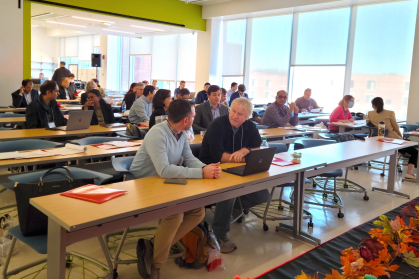
The university’s Machine Learning and Artificial Intelligence seed funding initiative accelerated breakthroughs in joint faculty research. By providing interdisciplinary teams with pilot funding, it enables researchers to generate early data, refine ideas, and compete for major external grants.
Supported projects have ranged from poverty mapping to whale conservation, sparking collaborations with partners including MIT, Microsoft, and the Bordeaux School of Economics, while attracting interest from the National Science Foundation, the U.S. Department of Energy, and Canadian federal agencies.
Learn more about the Machine Learning and Artificial Intelligence Seed Funding Initiative
Climate and Sustainability Research


The Rutgers University Center for Ocean Observing Leadership (RU-COOL) advances understanding of ocean systems, marine and coastal ecosystems, and fisheries through interdisciplinary research, technological innovation, and public engagement. The center develops new observing technologies, supports blue economy solutions, and prepares future generations of researchers and practitioners for a more resilient and sustainable future.
The center includes 10 core faculty members in the Department of Marine and Coastal Sciences whose work spans research, teaching, and community outreach at local, national, and global levels.
Life Sciences, Health, and Translational Research

The Life Sciences Alliance is a cross-cutting initiative designed to strengthen interdisciplinary collaboration, expand research capacity, and support growth in emerging life sciences fields. The alliance has strengthened the university’s broader life sciences ecosystem through a research ideation forum, pilot seed funding, the Life Sciences Alliance Summer Undergraduate Research Fellowship (SURF) program, the Rutgers–New Brunswick and Dublin City University (DCU) partnership, and the Inaugural Life Sciences Undergraduate Research Conference.
Preparing the Researcher of Tomorrow

- RAD Collaboratory Summer Undergraduate Research Fellowship (SURF) engages Rutgers–New Brunswick rising junior and senior undergraduate students in hands-on, in-person research projects in artificial intelligence and/or data science.
- The School of Engineering’s Bruce and Phyllis Nicholas Engineering Students Project Studio, launched in Fall 2022, is a dedicated space for students to conceptualize and build scale-size projects. Students have opportunities for hands-on learning, interdisciplinary collaboration, project and equipment management, and preparation for intercollegiate competition – including Rutgers Formula Racing, Rutgers Solar Car Team, as well as other student organizations with design and build objectives.
- Undergraduate Research Discovery Days include research-focused events, lab tours, and panels. As a continued series of smaller, interactive URDD sessions, Research Discovery Days extend beyond Success Weeks, designed to introduce undergraduate students to the world of research.
- The Aresty Research Center’s annual Undergraduate Research Symposium provides students with opportunities to engage in undergraduate research, present scholarly work, and connect with faculty mentors and scholarly communities. This unique event, which is one of the largest undergraduate research celebrations in the country, is a rare opportunity to engage with some of the most exciting research at Rutgers all in one place.
More Impacts
To explore additional impacts within the Innovative Research pillar, review the highlights below or browse the full list of submissions (NetID required).
Accordion Content
-
COSMOS3 is an NSF-funded expansion of the COSMOS smart-city wireless research testbed, enabling experimental research on next-generation 6G networks. Hosted at WINLAB, the platform connects Rutgers–New Brunswick’s Busch Campus with Columbia University’s New York City testbed while integrating smart-city sensing capabilities. COSMOS3 expands Rutgers’ leadership in wireless networking and smart-city infrastructure research by supporting large-scale experimentation on emerging 6G technologies.
-
The Rutgers Agrivoltaics Program, led through collaborations with the School of Environmental and Biological Sciences and the School of Engineering, reflects the university’s growing leadership in applied sustainability research. The program explores how agricultural production and solar energy generation can coexist on the same land, advancing research at the intersection of food systems, renewable energy, land use, and environmental resilience. By integrating engineering, environmental science, agriculture, and policy expertise, the initiative supports new approaches to sustainable energy development while preserving agricultural productivity.
-
The USDA NIFA NEXTGEN Animal Science Discovery Program is a summer experiential learning, career development, and scholarship initiative connecting LaGuardia Community College and Rutgers–New Brunswick. Through the program, students transfer to Rutgers–New Brunswick to pursue academic and career pathways in food, agriculture, veterinary medicine, and biomedical research at the School of Environmental and Biological Sciences.
Goal
Transform the student experience.
Our Approach
Guided by the Academic Master Plan, Rutgers–New Brunswick is:
- Enhancing the Student Experience & Supporting Student Success: Through targeted academic interventions and expanded support infrastructure, Rutgers–New Brunswick is working to address barriers that can affect persistence and degree completion, particularly in high-enrollment gateway courses and transitional academic experiences.
- Promoting Wellness and Belonging: Rutgers–New Brunswick is committed to ensuring that all undergraduate and graduate students feel welcomed, valued, and informed, and have access to resources to move through their degree programs efficiently.
- Expanding Experiential Learning and Career Readiness: To help students connect academic learning with professional development and postgraduate success, Rutgers–New Brunswick is expanding our experiential learning and career-readiness opportunities. These efforts are complemented by broader institutional investments in internships, experiential education, undergraduate research, and career readiness programming.
Impact Highlights
Enhancing the Student Experience

Student success requires strong support outside the classroom, which programs like the Health and Medicine Living-Learning Community, a Discovery Advantage First-Year Neighborhood, seek to provide. Part of Rutgers–New Brunswick’s living-learning community ecosystem, the first-year residential opportunity opened in fall 2025 with 350 residents and demonstrated a strong impact on first-year student success, with high levels of academic confidence, social belonging, and resource awareness among participants.
Learn more about the Health and Medicine Living-Learning Community
Supporting Student Success

With nearly 10% of the student body identifying as neurodivergent, the College Support Program, housed within the Rutgers Center for Adult Autism Services, works to broaden access, integrate mental health services, and provide training for faculty and staff.
These efforts aim to improve academic, social, and wellness outcomes for students with autism and ADHD, who have historically experienced lower graduation rates.
Wellness and Belonging

Launched in 2025, the Basic Needs Center supports students in accessing essential resources, including food, housing, clothing, childcare, mental health services, financial resources, and transportation. By serving as a centralized hub for support, the center helps ensure all students' basic needs are met, promoting their well-being, academic success, and personal development.
Experiential Learning and Career Readiness

The Student Employee Enrichment (SEE) Program supports the professional and personal development of student employees at Rutgers University by connecting meaningful on-campus work experiences with career readiness competencies. Through mentorship, skill-building, and reflection, the program helps students build career confidence and prepare for post-graduation success. The SEE Program also provides supervisors with tools and training to create impactful student employment experiences that support student growth and professional development.
More Highlights
To explore additional impacts within the Student Success pillar, review the highlights below or browse the full list of submissions (NetID required).
Accordion Content
-
The Grow@SEBS program is a student engagement platform that helps School of Environmental and Biological Sciences undergraduates explore the G. H. Cook campus and connect with the community through co-curricular and extracurricular activities. As students earn Grow Points, they develop competencies that enrich their educational experience and strengthen their preparation for employment, scholarships, and continued academic study.
-
To improve collaboration in student advising and support, the Annual Student Success Conference brings together faculty and staff from Student Affairs and Enrollment Management to share strategies and align student-focused efforts.
-
The School of Engineering’s First-Year Integration Programs support incoming students through two complementary, peer-led initiatives that support incoming engineering students through the transition from high school to university-level engineering study. First-Year Transition Leaders (FTYLs) engage with new students before their first semester, providing guidance on academics and campus resources, while the Engineering Peer Advisor (EPA) program operates during the academic year, pairing trained upperclassmen with first-year students. Together, these competitive volunteer programs foster student success, confidence, and community from the summer before enrollment through the first year.
-
The Platforms for Education and Research Cores (PERCs) leverage digital credentialing to document proficiency in specialized instrumentation, laboratory techniques, computational methods, and other industry-relevant technical competencies. Participants can earn stackable, verified microcredentials that recognize skills developed through authentic, experiential research training. These credentials provide employers, graduate programs, and research collaborators with transparent evidence of technical expertise and workforce readiness.
Since 2025, PERC has awarded 258 digital microcredentials to 124 graduate students, 35 undergraduate students, 32 postdoctoral researchers, 27 research associates and staff, and 40 industry professionals, demonstrating the program's broad impact on developing a highly skilled research workforce across academia, industry, and the public sector.
-
The Scarlet$ense Financial Literacy Program is a dynamic and all-encompassing money management toolkit tailor-made for the Rutgers student community. Comprising a diverse array of resources, including engaging in-person workshops, enlightening seminars, and an interactive online hub of self-paced modules, Scarlet$ense equips students with the essential knowledge and practical skills to effectively manage their personal finances.
Goal
Build on Rutgers–New Brunswick’s strong foundation of community engagement.
Our Approach
Guided by the Academic Master Plan, Rutgers–New Brunswick is:
- Promoting Learning Through Service: Community engagement allows students, faculty, and staff to interact with the world beyond the campus, be it the distinct culture of the local city or town or the global community. Rutgers–New Brunswick is integrating community engagement into academic coursework and campus life to prepare both graduate and undergraduate students to be respectful and effective community partners.
- Advancing Publicly-Engaged Scholarship: Through initiatives focused on public engagement and democratic participation, faculty and students are increasingly connecting academic scholarship with community-facing work and public conversation.
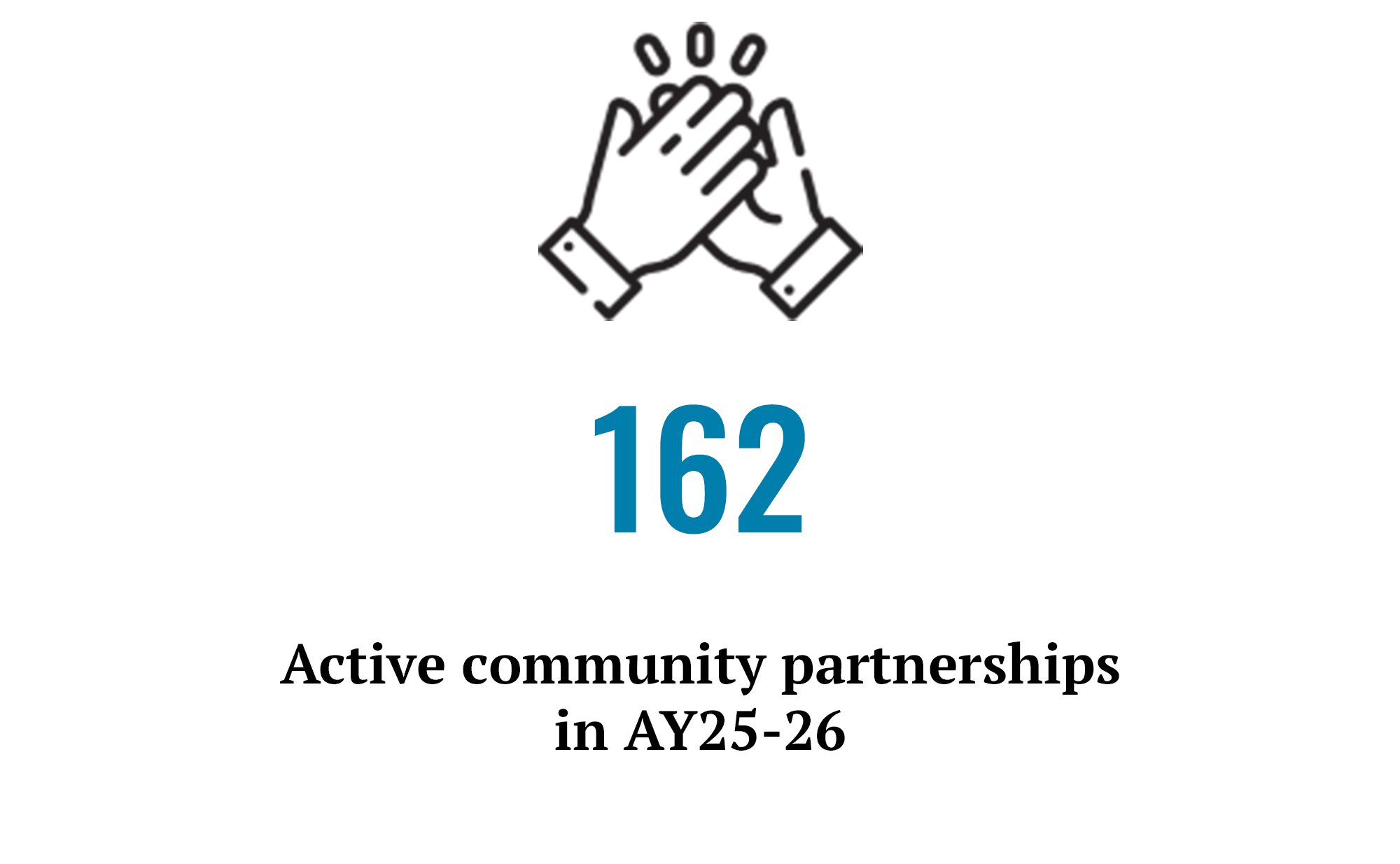
- Building Partnerships and Capacity: Rutgers–New Brunswick is expanding the number of our active statewide community partnerships supporting engagement, service, and collaborative programming. Partnerships at all levels strive to support the university’s education, research, and service missions and enhance the communities in which we work and partner.
- Improving Communities: Rutgers–New Brunswick maintains long-standing community engagement efforts ranging from outreach programs to research studies to university partnerships. Rutgers–New Brunswick is leveraging our educational mission to extend our reach throughout New Jersey, the nation, and the world.
Impact Highlights

External Recognition
In 2026, Rutgers–New Brunswick earned the Carnegie Community Engagement Classification from the American Council on Education and the Carnegie Foundation for the Advancement of Teaching, its third recognition since 2010. The distinction reflects a long-standing commitment to public service dating back to 1864 and Rutgers’ role as New Jersey’s land-grant institution.

In 2024, Rutgers–New Brunswick earned the Innovation and Economic Prosperity Designation from the Association of Public & Land-Grant Universities in recognition of its substantial and sustained commitment to regional economic engagement. This designation highlights Rutgers’ role as an economic catalyst through transformative innovations in academic initiatives, pioneering research, and impactful community outreach programs.
Learning Through Service


The Bonner Leaders Program, a four-year leadership initiative, supports first-generation and underrepresented students as they work with community partners in New Brunswick and Piscataway. Students contribute to projects focused on food access, health equity, college readiness, and youth development, completing more than 7,000 service hours annually while helping community organizations expand programs and reach more residents.
Publicly-Engaged Scholarship

New Jersey Monuments to Migration and Labor is a transformative three-year initiative dedicated to honoring the vital contributions of immigrants and migrants as laborers in shaping the state of New Jersey. Through public events and monument installations, it celebrates their resilience, hard work, and cultural impact, blending art, history, and storytelling to inspire reflection and appreciation. This initiative embeds Rutgers–New Brunswick in statewide conversations about labor, migration, and memory, while giving students hands-on experience in public humanities and monument-making.
Learn more about New Jersey Monuments to Migration and Labor
Building Partnerships and Capacity

At the Ralph W. Voorhees Center for Civic Engagement, graduate and postdoctoral scholars contribute to the New Jersey State of Affordable Rental Housing (NJSOARH) project, producing reports on rent control, county-level housing data, and statewide analyses. Students and faculty conducted in-depth fieldwork in several cities across New Jersey, engaging with community organizations and observing neighborhood changes. These efforts have informed policy discussions and supported community stakeholders.
Learn more about the New Jersey State of Affordable Rental Housing Project
Improving Communities

The Conversation Tree: Community-Based Language Partnerships is a program created by the Graduate School of Education and the Collaborative Center for Community-Based Research and Service. Through free-flowing conversations designed to practice new language skills, Rutgers students and immigrant community members build relationships between these two groups, who often do not interact. Since its launch, Conversation Tree has expanded into three Graduate School of Education courses, established partnerships with eight community-based organizations, and served as a model for similar initiatives in Mexico, Brazil, and Saudi Arabia.
More Highlights
To explore additional impacts within the Community Engagement pillar, review the highlights below or browse the full list of submissions (NetID required).
Accordion Content
-
Scarlet Hope for Autism: The Road to Excellence in Education (SHARE), is an innovative workforce development program to provide job-embedded, research-based applied behavior analysis (ABA) training and intervention for supporting the learning and life success of students with autism spectrum disorder (ASD) in New Jersey. SHARE launched in Newark Public Schools, the largest school district in New Jersey.
-
The Governor’s School of New Jersey in Engineering and Technology introduces high-achieving high school students to advanced STEM learning and research experiences while strengthening pathways into higher education and scientific careers. During the program, students have the opportunity to collaborate on a novel research project, which is showcased during a culminating research symposium. The program also includes workshops, site visits to local corporations, and activities with professors, professionals, and peers from throughout the state.
-
The Zimmerli Art Museum presents a wide range of public programs that are free and open to the public, serving more than 15,200 people during fiscal year 2025. As a public-facing institution committed to community engagement, the museum welcomes more than 45,000 visitors annually, including many from the Rutgers community.
Through exhibitions, programs, and educational initiatives, such as Último Domingo and Spark Night, the Zimmerli uses the visual arts to foster learning and connection among Rutgers students, faculty, and visitors from across the region.
-
Departments within the Mason Gross School of the Arts partnered with New Brunswick nonprofit organizations to create arts experiences and collaborative projects for community participants. These arts-based collaborations gave students the opportunity to better understand community needs while developing creative projects designed to support local organizations and their constituents.
Integrated into coursework, the projects combined academic learning, research, and community engagement while preparing Mason Gross students to build artistically grounded, research-informed partnerships with community organizations.
-
Programs such as Resetting the Table’s “Speaking Across Conflict,” a collaboration between the Division of Access and Community Engagement’s Tyler Clementi Center, the Division of Student Affairs, and the Eagleton Institute of Politics, help students and campus leaders develop skills in dialogue, conflict navigation, and collaborative problem-solving while reinforcing the university’s broader commitment to civic engagement and constructive public discourse.
-
The New Jersey Healthy Corner Store Initiative is a food security research program led by the New Jersey Healthy Communities Network at Rutgers Cooperative Extension in collaboration with the New Jersey Department of Health, NJ SNAP-Ed, and community partners. The initiative supports local corner stores in low-income communities with resources and technical assistance to increase access to fresh, affordable food.
Measuring Our Progress
Tracking measurable outcomes across strategic priorities within Rutgers–New Brunswick's Academic Master Plan provides a clear picture of where the university is excelling, where momentum is building, and where continued attention is needed. The metrics, rankings, and other performance indicators presented on this page are specific to Rutgers–New Brunswick, offering a focused view of our progress across key areas of performance.
Progress Across Pillars
| Metric | 2022 | 2023 | 2024 | 2025 | 2026 |
|---|---|---|---|---|---|
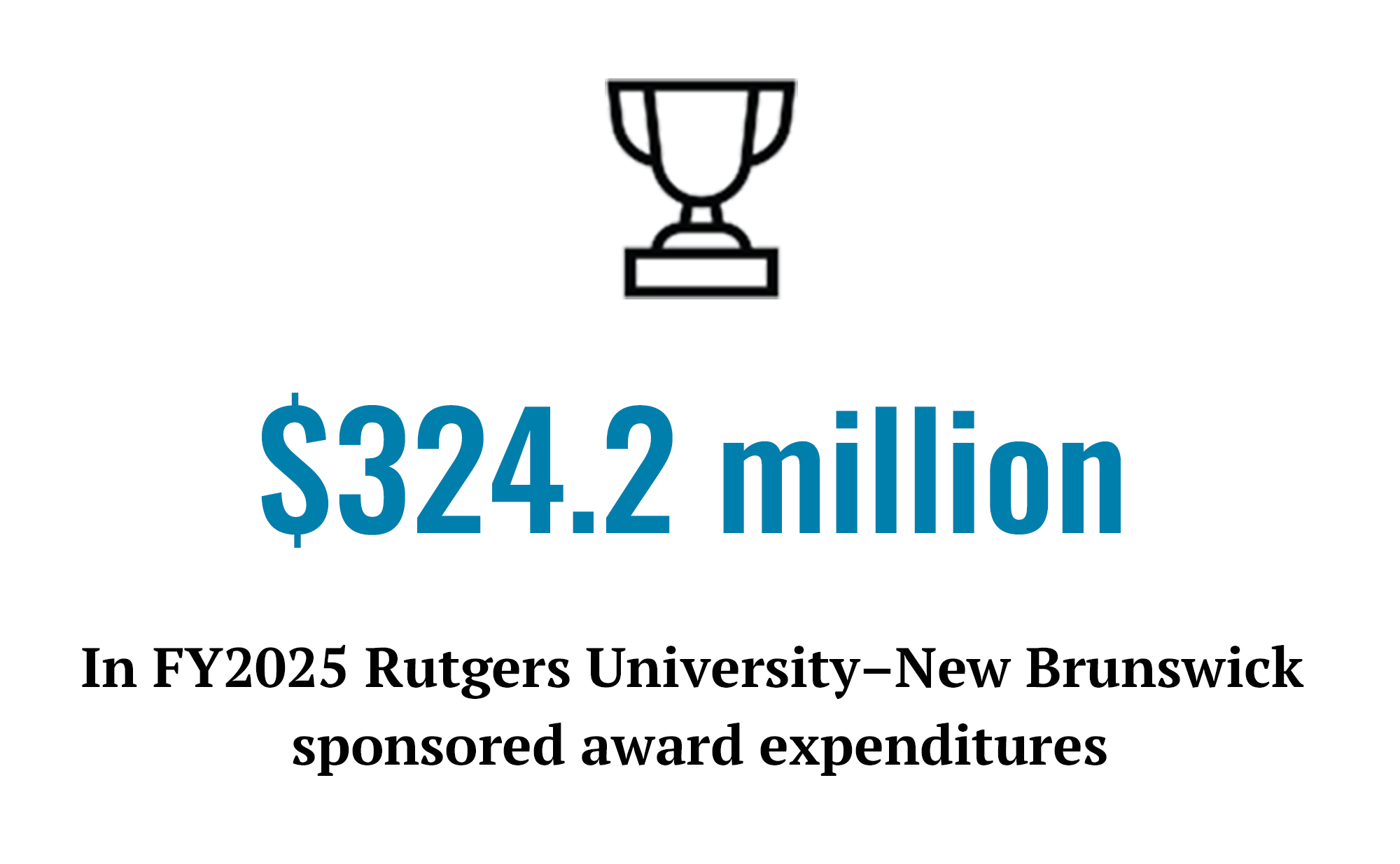
| Sponsored Award Expenditures (in millions) | $262.9 | $288.2 | $294.4 | $324.2 | - |
| Faculty Elected to National Academies 1 | 2 | 6 | 3 | 3 | - |
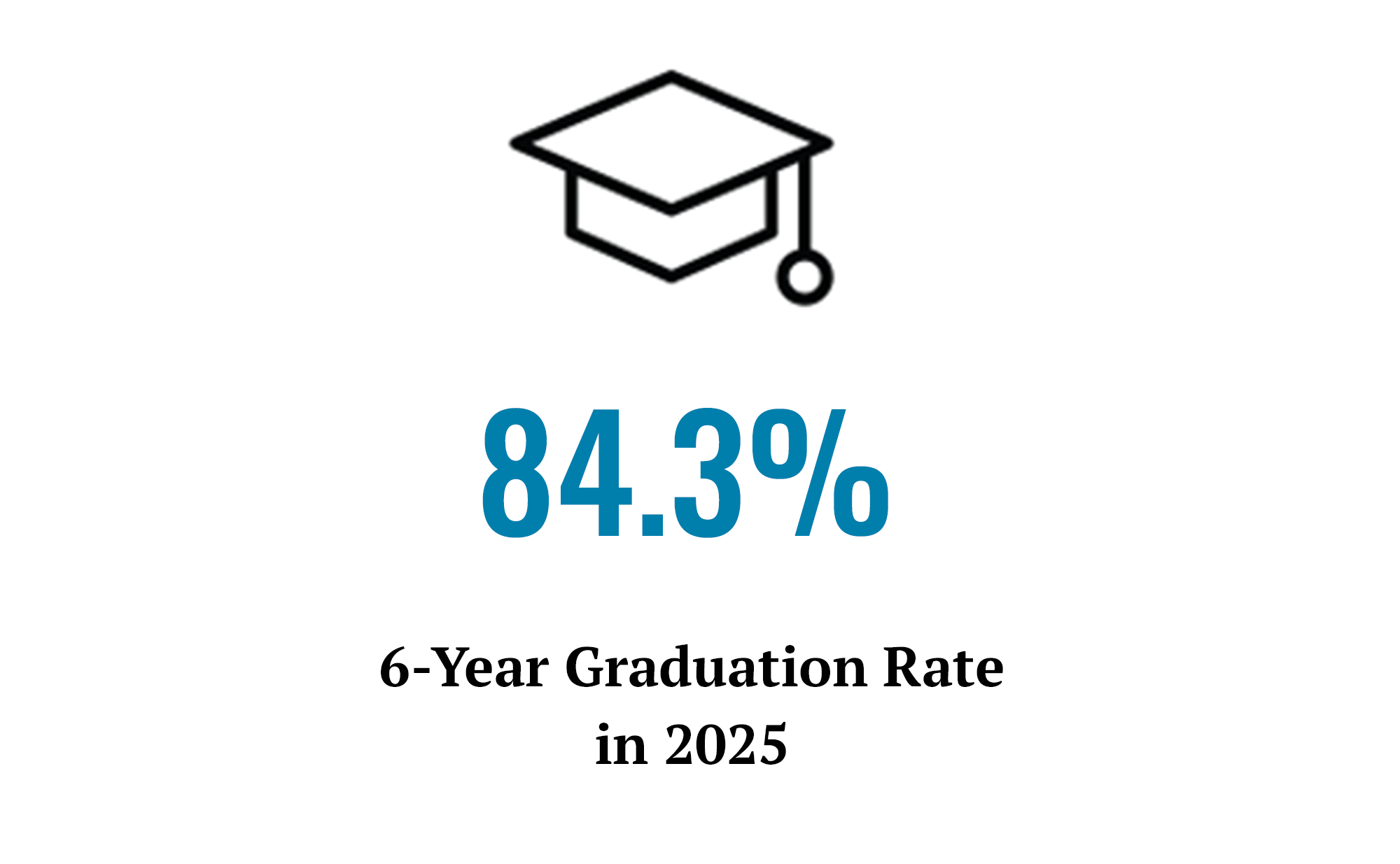
| 6-Year Graduation Rate2 | 84% | 85% | 84% | 84% | - |
| 6-Year Graduation Rate—Pell Grant Recipients2 | 81% | 81% | 80% | 81% | - |
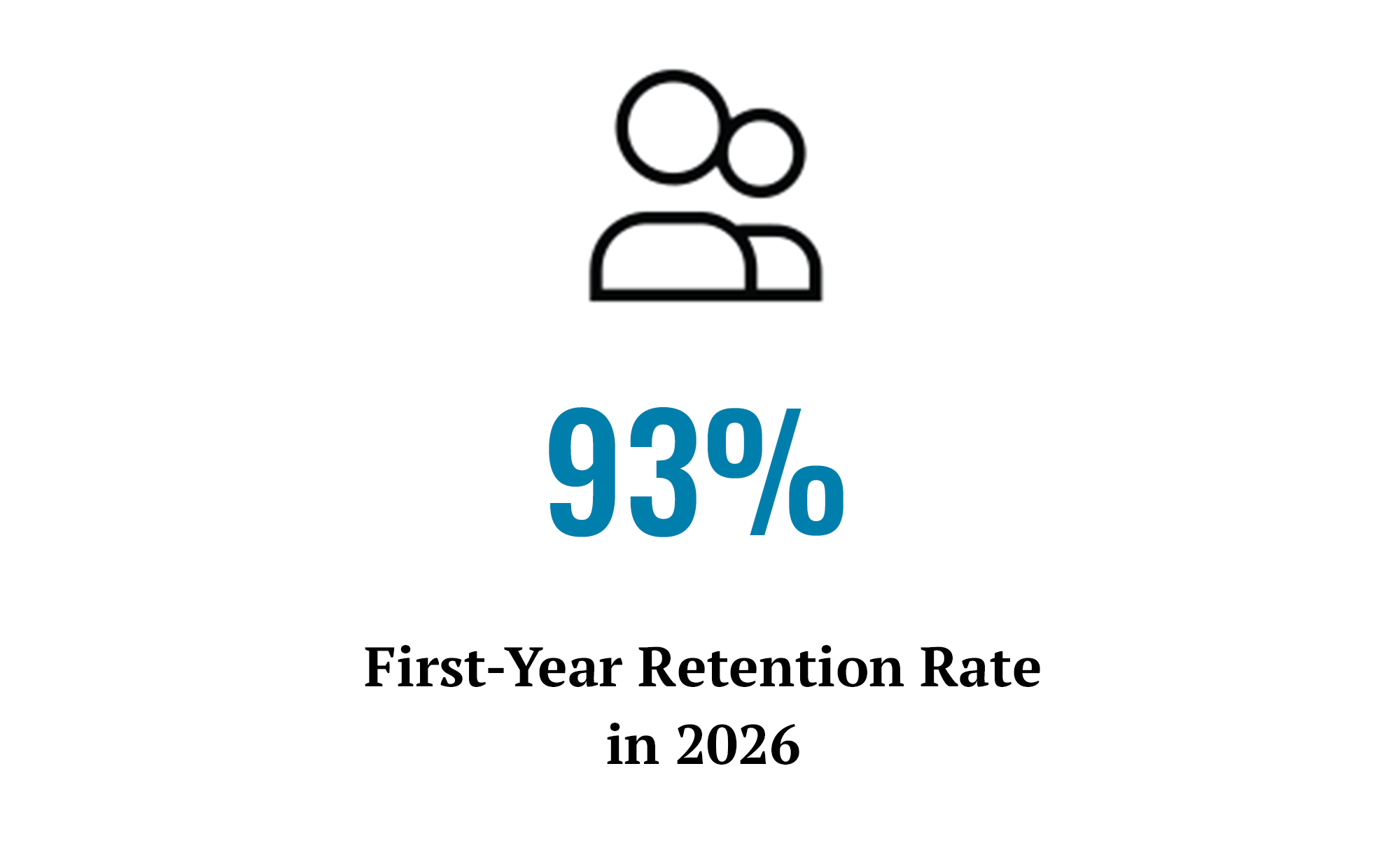
| First-Year Retention Rate3 | 93% | 93% | 92% | - | - |
| First-Year Retention Rate—Pell Grant Recipients3 | 92% | 93% | 91% | - | - |
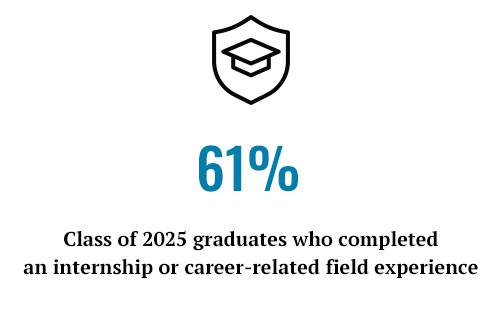
| Undergraduate Student Participation in at Least One Internship 4 | 57% | 58% | 54% | 61% | - |
| Overall Positive Career Outcomes—All Graduating Students5 | 82% | 89% | 84% | 84% | - |
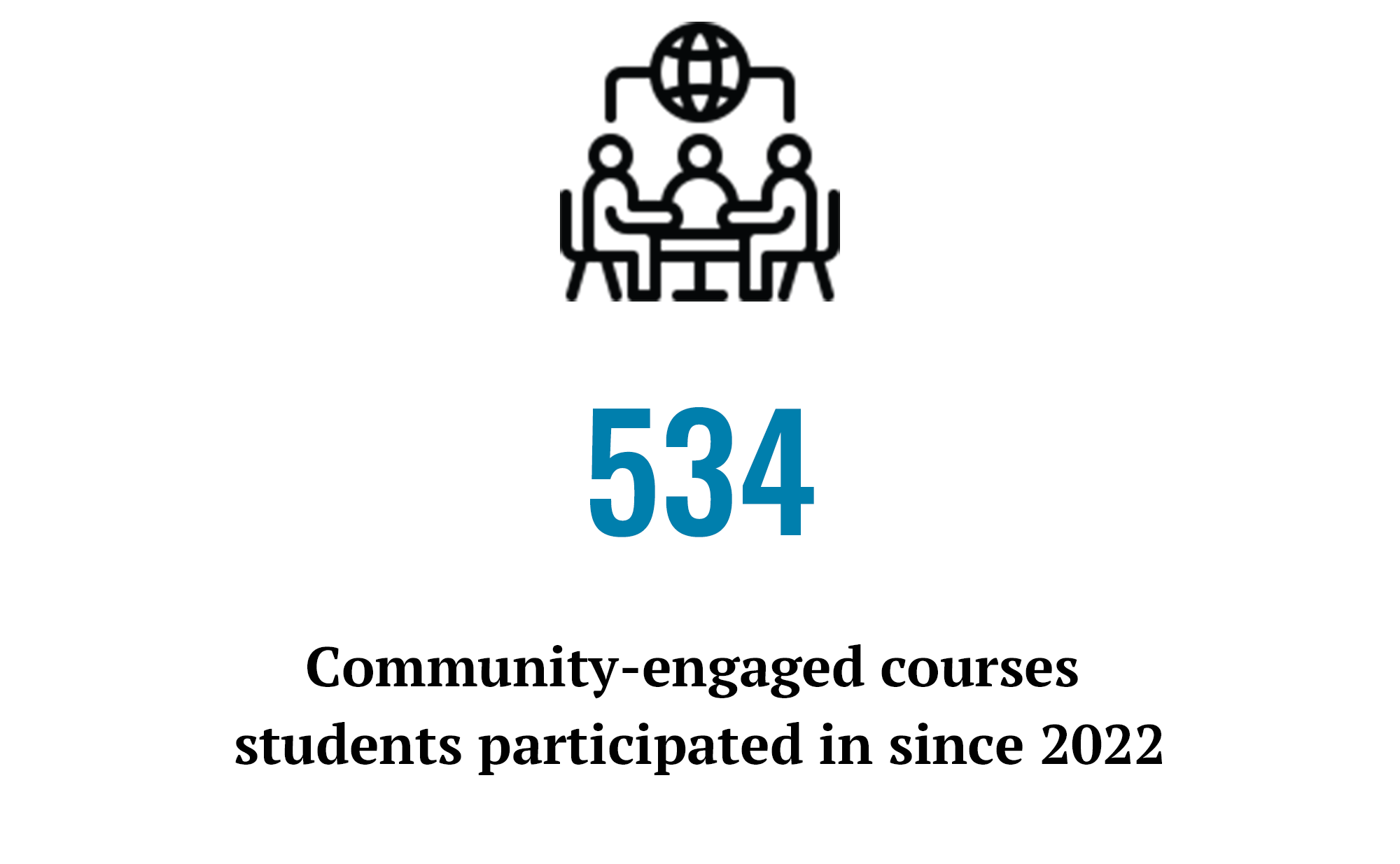
| Number of Total Community Engagement (CE) Courses | 159 | 165 | 182 | 167 | 176 |
| Number of Community Partnerships Throughout New Jersey | - | 76 | 140 | 156 | 162 |
| Educational Expenditures Per Student | $48,995.24 | $47,915.36 | $46,434.3 | $45,672.58 | $50,231 |
| SAT Reading and Writing Score6 | 633 | 656 | 669 | 671 | 684 |
| SAT Math Score6 | 667 | 688 | 693 | 692 | 705 |
| Standardized Tests Rank6 | 85 | 64 | 49 | 50 | 33 |
| Student-Faculty Ratio | 16:1 | 15:1 | 15:1 | 15:1 | 16:1 |
Sources: Office for Research, Institutional Research Portal, Post-Graduation Survey, Community Engagement (CE) Courses Dashboard, Collaborative Center Community Partnership Information, and U.S. News & World Report Academic Insight.
1. Faculty Elected to National Academies: Learn more about the Rutgers–New Brunswick members of the National Academies.
2. 6-Year Graduation Rate: The data represent the respective U.S. News & World Report ranking reporting year/edition. These data include School of Nursing students.
3. First-Year Retention Rate: The 2022 data represent students who began their first year in Fall 2022 and returned in Fall 2023. The 2023 data represent students who began their first year in Fall 2023 and returned in Fall 2024. The 2024 data represent students who began their first year in Fall 2024 and returned in Fall 2025. These data include School of Nursing students.
4. Undergraduate Student Participation in at Least One Internship: The cohorts include graduating students from the School of Nursing and the Ernest Mario School of Pharmacy. Learn more about the Career Exploration and Success Post-Graduation Survey.
5. Overall Positive Career Outcomes: The cohorts include graduating students from the School of Nursing and the Ernest Mario School of Pharmacy. Learn more about the Career Exploration and Success Post-Graduation Survey.
6. Rutgers–New Brunswick became test-optional in 2020.
National Rankings
| Metric | 2022 | 2023 | 2024 | 2025 | 2026 | 2027 |
|---|---|---|---|---|---|---|
| National Rank | 63 | 55 | 40 | 41 | 42 | - |
| Top Public Colleges and Universities | 23 | 19 | 15 | 15 | 16 | 14 |
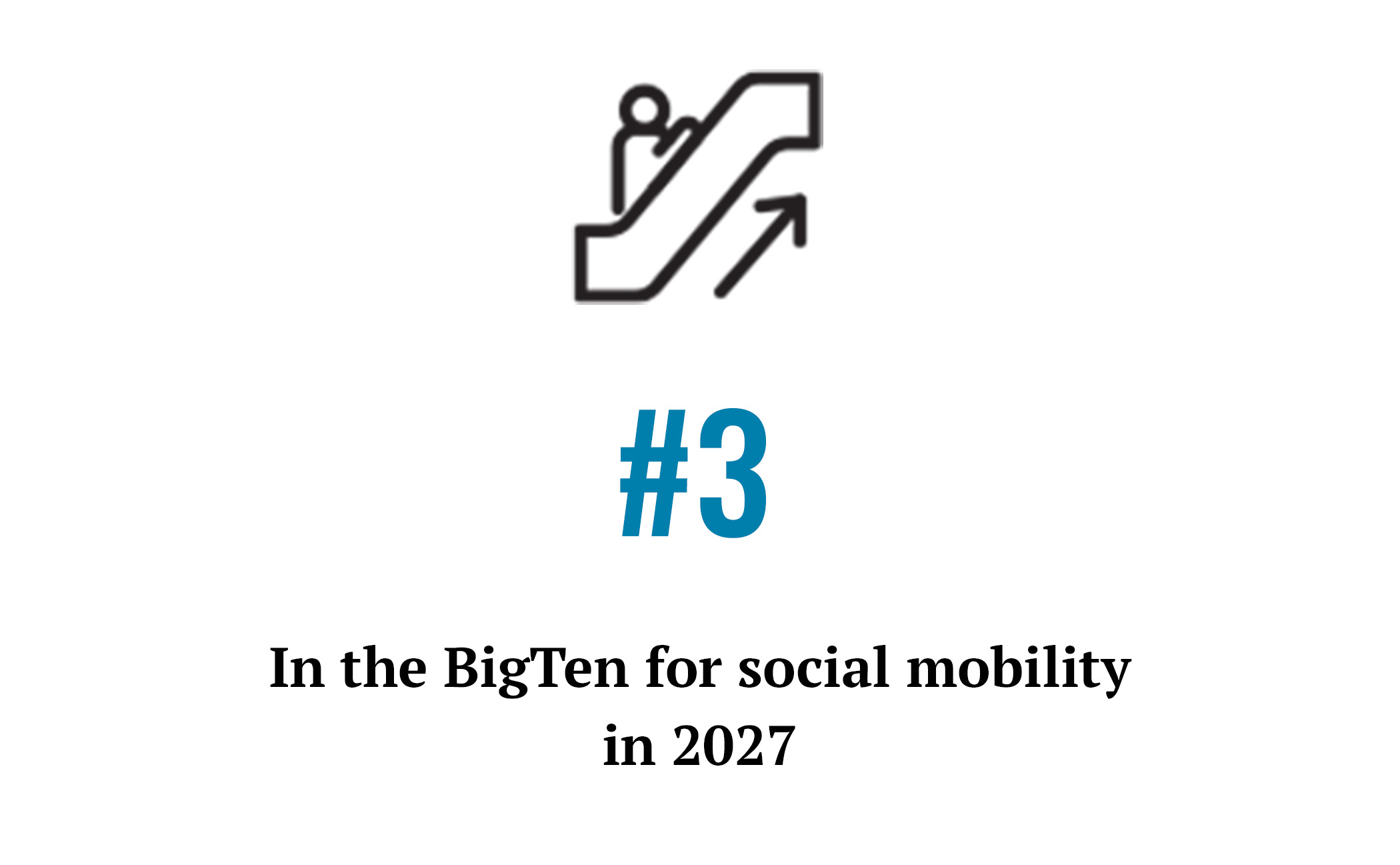
| Top Performers on Social Mobility Rank | 51 | 63 | 42 | 36 | 52 | - |
| Student-Faculty Ratio Rank | 211 | 210 | 221 | 249 | 236 | - |
| Percent of Faculty Who Are Full-Time Rank | 282 | 265 | 254 | 252 | 264 | - |
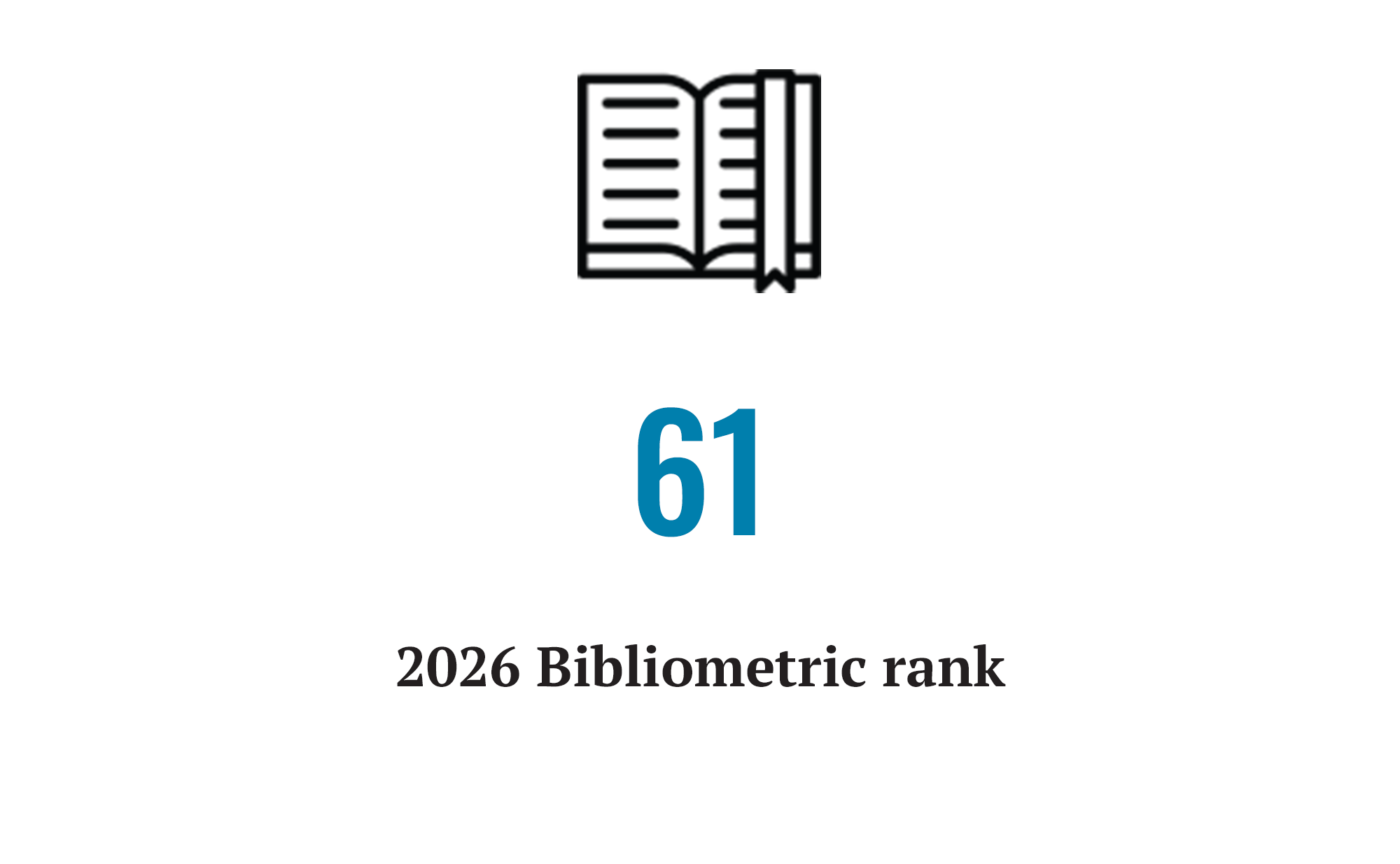
| Bibliometric Rank | - | - | 82 | 71 | 61 | - |
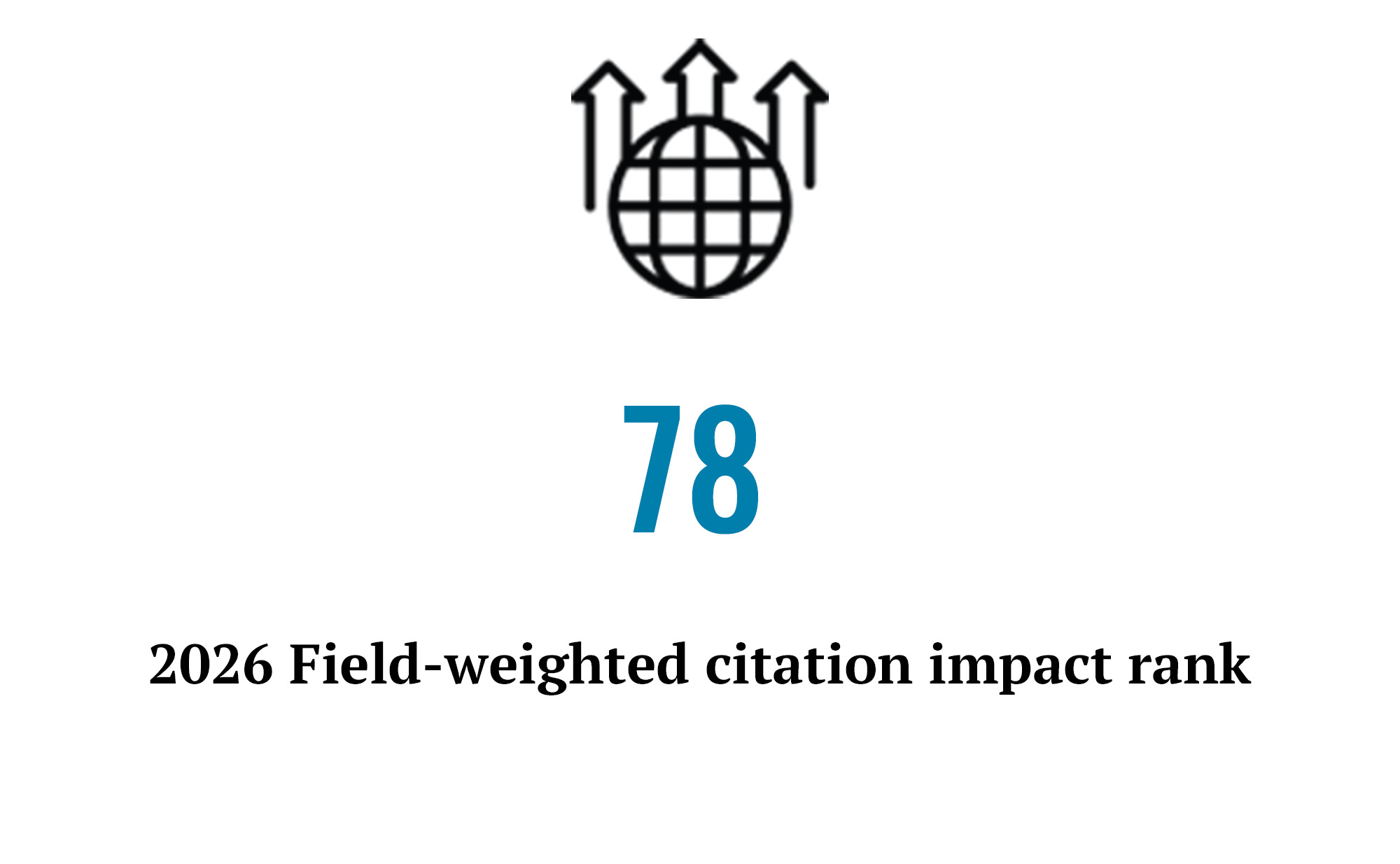
| Field-Weighted Citation Impact Rank | - | - | 95 | 88 | 78 | - |
| Educational Expenditures Per Student Rank | 64 | 70 | 71 | 67 | 67 | - |
Source: U.S. News & World Report Academic Insight. Learn more about the U.S. News and World Report metrics and methodology.