
Jane Doe
Distinguished Professor of Engineering

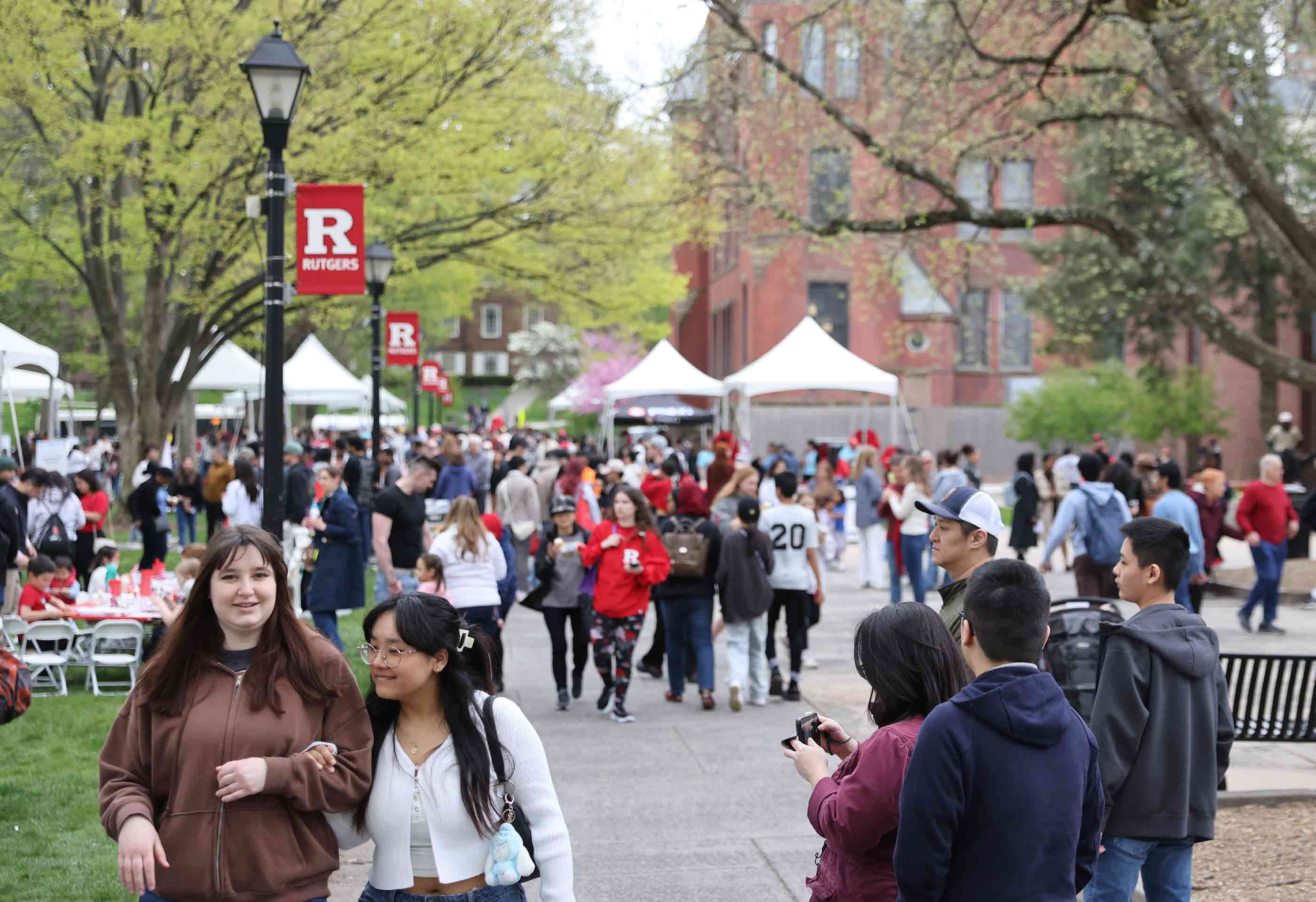
Rutgers Day is set for Saturday, April 25, 2026, 10 a.m.–4 p.m., rain or shine, on the Busch Campus in Piscataway and the College Avenue and Cook/Douglass campuses in New Brunswick. Get ready for the ultimate celebration of everything Rutgers!
Ronald E. McNair Scholars Program
Who Is Ronald E. McNair?
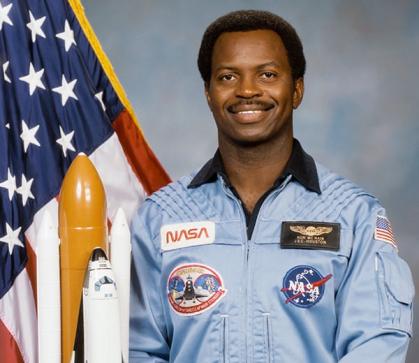
Ronald Erwin McNair was born October 21, 1950, in Lake City, South Carolina to Carl and Pearl McNair.
In 1971, he received a B.S. in physics, and graduated magna cum laude from North Carolina A&T State University. Ronald then enrolled in graduate studies at Massachusetts Institute of Technology, where he was awarded a Ph.D. degree in physics in 1976.
He received three honorary doctorate degrees and held a fifth-degree black belt in karate as well as an accomplished jazz saxophonist. He was married and had a son and a daughter.
Dr. McNair became a recognized expert in laser physics while a staff physicist at the Hughes Research Laboratory and joined the NASA space shuttle program in 1978 where he was assigned as a mission specialist. In January 1986, Dr. McNair was aboard the 1984 flight of the Shuttle Challenger which suffered a severe malfunction killing him along with 6 other specialists.
Whether or not you reach your goals in life depends entirely on how well you prepare for them and how badly you want them. You're eagles! Stretch your wings and fly to the sky.
Ronald E. McNair
After his death in the Challenger space shuttle accident, members of Congress provided funding for the Ronald E. McNair Postbaccalaureate Achievement Program to encourage minority and low-income, first-generation college students to enroll in graduate studies. This program is dedicated to the high standard of achievement Ronald E. McNair's life represented.
Apply to Become a McNair Scholar
Cultivate your interests, conduct research with a faculty mentor, and attend pre-graduate school planning workshops.
Application Requirements
1. Candidates for the McNair Scholars Program must meet the following criteria as determined by the U.S. Department of Education.
| Family Size | Income level in 48 Contiguous States, D.C., and Outlying Jurisdictions | Alaska | Hawaii |
|---|---|---|---|
|
1 |
$18,735 |
$23,400 |
$21,570 |
|
2 |
$25,365 |
$31,695 |
$29,190 |
|
3 |
$31,995 |
$39,990 |
$36,810 |
|
4 |
$38,625 |
$48,285 |
$44,430 |
|
5 |
$45,255 |
$56,580 |
$52,050 |
|
6 |
$51,885 |
$64,875 |
$59,670 |
|
7 |
$58,515 |
$73,170 |
$67,290 |
|
8 |
$65,145 |
$81,465 |
$74,910 |
2. Letter of Recommendation (PDF): Applicants must complete the waiver at the top of the form. Then, the recommender may complete the form in its entirety and email the scanned document to mcnair@echo.rutgers.edu.
Benefits and Program Overview
The McNair Scholars Program provides services, events, and programs for undergraduate students interested in attending graduate school. These services hope to cultivate interest, engage exploration, and encourage pursuit of graduate school for students from diverse backgrounds.
Benefits of a Faculty/Mentor Relationship
Faculty mentorship is an important aspect of the McNair Scholars Program. The faculty mentor provides an opportunity for participants to have a “hands on” experience with research during the academic year and summer, which is often the student’s first encounter with undergraduate research.
The mentor/scholar relationship can help scholars access information they need to complete projects or get funding. Receiving this academic support has been proven to increase the confidence of the student so that they are able to complete their coursework.
A faculty mentor advocates for the scholar’s academic success by sharing their experiences and providing guidance into navigating the educational system. They provide access to relevant resources and networking opportunities that are essential for successful graduate studies.
Faculty mentors assist with the academic development of the scholar by assessing their skills and discussing strategies that will assist them in their studying and time management. They provide supervision, direction and feedback on undergraduate research projects. They also listen to the students and help them with their concerns.
These workshops provide an opportunity for faculty and/or senior administrators to engage and build community with McNair student scholars. They share research, faculty, and/or administrative responsibilities that they experienced on their path to becoming a scholar. These informal luncheons and workshops provide an interdisciplinary experience for scholars and an opportunity for faculty to cultivate academic exploration.
Become a Faculty Mentor
A McNair faculty mentor must have a strong desire to work to help scholars in the McNair program succeed. They should have experience in researching projects and be available to assist the scholar with questions. They should have high expectations of the students’ performance.
If you are a faculty member, interested in working with a scholar or supporting the program (e.g. facilitate a workshop, presentation, academic training), contact us.
Meet Our Faculty Mentors
Jane Doe
Distinguished Professor of Engineering
Charles Francis Xavier
Professor X
John Doe
School of Arts and Sciences
McNair Advisory Board
The advisory board for the Ronald E. McNair Post-Baccalaureate Achievement Program consists of Rutgers faculty and administrators. These members can provide guidance on project development and activities and serve as program advocates and faculty mentors. The advisory board also provides advice to the Program Director and staff on relevant matters, internal and external to the university that may impact the program. The advisory board meets at least three times including the summer.
Meet Advisory Board Members

Professor Xavier has been an advisory board member for 5 years.
Meet Advisory Board Members
Jane Doe
School of Engineering
Charles Francis Xavier
Professor X
John Doe
School of Arts and Sciences